What Are the Advantages of OEM Ultra-Fine Coaxial Cables in Robotics? The main advantage of using HOTTEN’s Ultra-Fine Coaxial Cables is their small size. Because they are ultra-fine, they take up less space in the robot. This is super important since many robots are built to fit into tight spots or need to be lightweight to move quickly. For example, in a factory, a small robot might need to navigate through narrow pathways to pick up and assemble parts. If the cables are too bulky, they could get in the way and slow down the robot. Another advantage is flexibility. HOTTEN’s cables are designed to bend and twist without breaking. This means they can easily adapt to the robot's movements. If a robot's arm swings around to pick something up, the cables won’t get damaged. The performance is also excellent; they can send signals at high speeds without losing quality. This is vital for robots that need to react quickly to changes in their environment. Additionally, they are resistant to interference from other electronic devices, which helps robots maintain clear communication. This reliability ensures robots can operate safely and effectively in busy places, like factories or hospitals. Overall, HOTTEN's Ultra-Fine Coaxial Cables support the growing needs of robotics, making them a smart choice for any robotic application.
Where to Find High-Quality OEM Ultra-Fine Coaxial Cables at Wholesale Prices? If you're looking for HOTTEN's Ultra-Fine Coaxial Cables at great prices, there are a few good options. First, check online. Many websites specialize in selling cables and other electronic parts in bulk. This can save you money compared to buying just one or two. You can often find deals or discounts when you purchase in larger quantities. Another good place to look is at trade shows or industry events. These events gather lots of manufacturers and suppliers in one place. You can see the cables in person, ask questions, and possibly negotiate prices. Talking directly to the people who make the cables can give you a better understanding of their benefits and specifications. Local electronics stores might also carry these cables, but they may not have the wholesale prices you’d find online or at trade shows. You can also reach out to HOTTEN directly through their website or customer service. They can provide information on where to buy their cables at competitive prices. Buying in bulk not only gets you savings but often ensures you have enough cables for all your robotics projects.
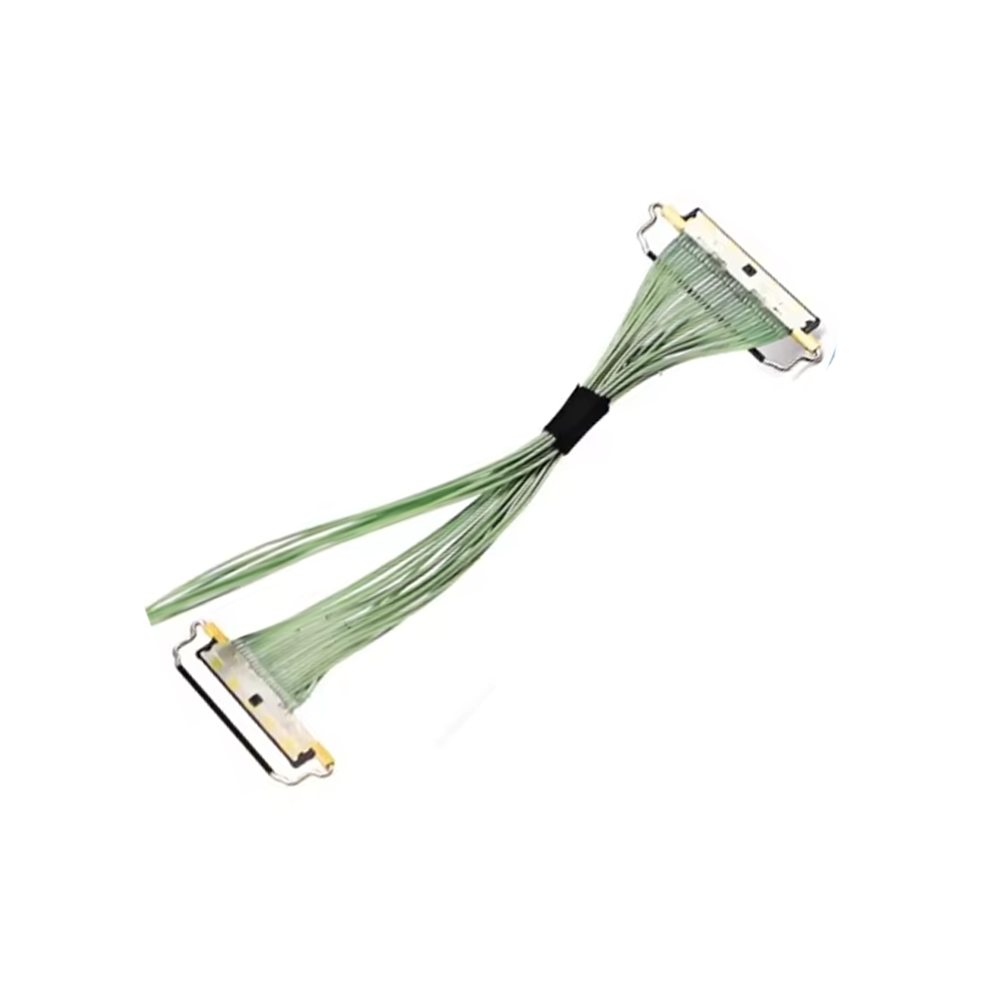
What Makes OEM Ultra-Fine Coaxial Cables Essential for Robotics Applications?
OEM Ultra-Fine Coaxial Cables are very important for robotics. These cables are designed to carry signals and power in a very efficient way. One of the main reasons they are essential is their small size. Because they are ultra-fine, they can fit into tiny spaces in robots. This is especially important when robots are built small or compact. The smaller the cable, the easier it is to design robots that can move quickly and easily. Another reason these cables are important is that they provide excellent signal quality. This means that the information sent through the cables is clear and reliable. Robots need to communicate well with their parts, like sensors and motors. If the signal is weak or unclear, the robot may not work correctly, causing problems in its tasks. OEM Ultra-Fine Coaxial Cables also have good flexibility. This means they can bend and twist without breaking. Robots often have moving parts, and these cables must be able to move with them. If a cable breaks, it can stop the robot from working. HOTTEN’s OEM Ultra-Fine Coaxial Cables are made with high-quality materials that help them last longer and perform better. This durability is very important in robotics, where failure can lead to costly repairs and downtime. Finally, these cables can handle high frequencies. This is important for robots that need to process lots of information quickly, like those used in factories or for high-tech tasks. With all these features, HOTTEN’s OEM Ultra-Fine Coaxial Cables are a perfect fit for modern robotics.
Common Usage Issues with OEM Ultra-Fine Coaxial Cables and How to Solve Them
Even though OEM Ultra-Fine Coaxial Cables are great for robotics, there can be some problems when using them. One common issue is cable damage. Because these cables are thin, they can be more likely to break if they are pulled too hard or bent too much. To prevent this, it’s important to handle them carefully during installation. Using cable ties or guides can help keep the cables in place and reduce stress on them. Another issue is interference. Sometimes, other electronic devices can cause noise that disrupts the signal in the cables. To solve this problem, you can use shielded cables. HOTTEN offers shielded Ultra-Fine Coaxial Cables that are designed to block out interference, ensuring that the signals stay clear. Additionally, users may experience problems with connections. If the cables are not connected properly, the robot may not work as intended. It’s important to make sure that all connections are tight and secure. Regularly checking connections can help prevent issues. Lastly, some users may find it hard to find the right cable for their specific robot. With so many options available, it can be confusing. HOTTEN provides detailed specifications for their cables, making it easier to choose the right one for your needs. By being aware of these common issues and knowing how to solve them, users can make the best use of OEM Ultra-Fine Coaxial Cables in their robotics projects.
What to Look for When Sourcing OEM Ultra-Fine Coaxial Cables for Robotics
When looking for OEM Ultra-Fine Micro Coaxial Cable Assembly Coaxial Cables for robotics, there are several important things to consider. First, check the size of the cable. Since robotics often requires small parts, it’s crucial to choose ultra-fine cables that will fit in the limited space available. HOTTEN offers a variety of sizes, so you can find the perfect fit for your robot. Next, look at the cable’s signal quality. The cables should be able to carry signals without losing clarity. This is important for robots that need to perform precise actions. You want to make sure the cables can handle the frequency needed for your robot’s micro coaxial cable tasks. Also, consider the cable’s flexibility. If the robot has moving parts, you’ll need cables that can bend and twist without breaking. HOTTEN’s cables are designed for this purpose, making them a great choice. Another factor to consider is the durability of the cable. Look for cables made from high-quality materials that can withstand wear and tear. This is especially important in robotics, where cables can be moved and pulled often. Lastly, check if the manufacturer, like HOTTEN, provides good customer support. If you have questions or need help, it’s great to micro coaxial cable specifications know that you can get assistance easily. By keeping these factors in mind, you will be able to find the best OEM Ultra-Fine Coaxial Cables for your robotics applications and ensure your projects run smoothly.